Interview with Jean Philippe Lenclos on Thursday 29 January.
Jean Philippe Lenclos is a very gentle and charming man in his seventies who has done some important work. He departed for Japan in 1961 to stay there for two years to study architecture on a scholarship. He didn’t come back during that time. On return he had to acclimatise for two more years due to the extreme differences in colour of surroundings and culture.Then he set out to register the colours of France on commission of the architectural paint company peinture Gauthier which only had had a pallet of 30 colours so far. Architecture was not involved with colour; that was a job for artists.
His contribution to the paint company meant that their sales went up as they started selling colour schemes to architects. Lenclos had registered the local architectural colours of France in their contexts and this was very useful for architects.
Gauthier’s commission helped him to start Artelier 3D couleur. http://www.atelier3dcouleur.com/fr
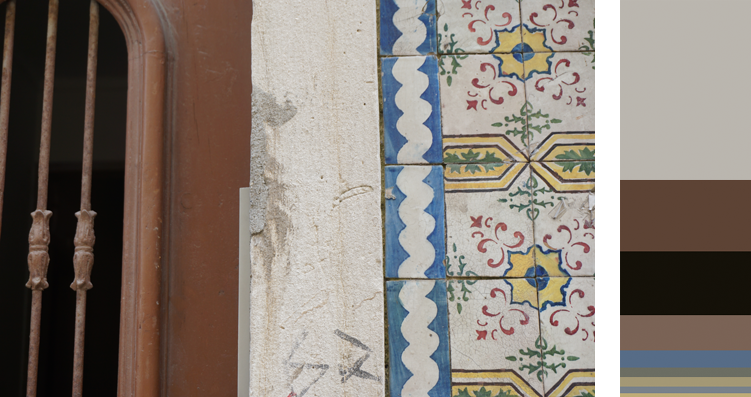
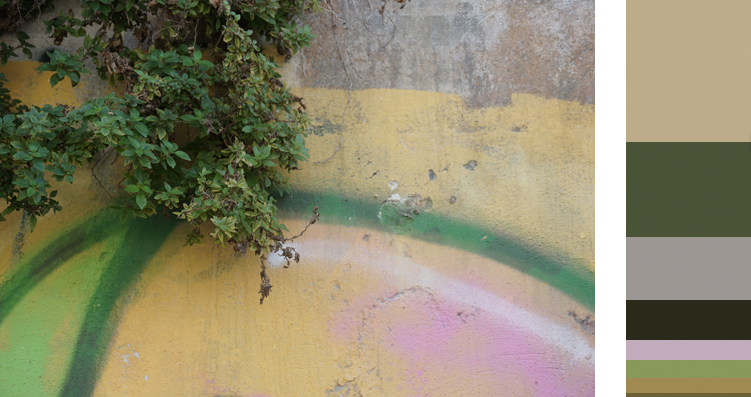
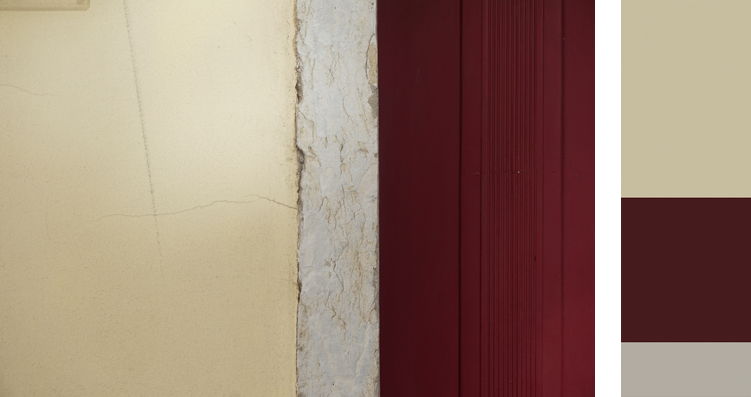
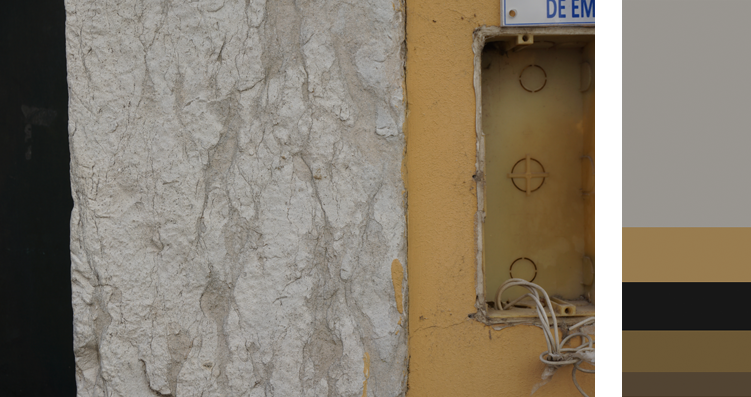
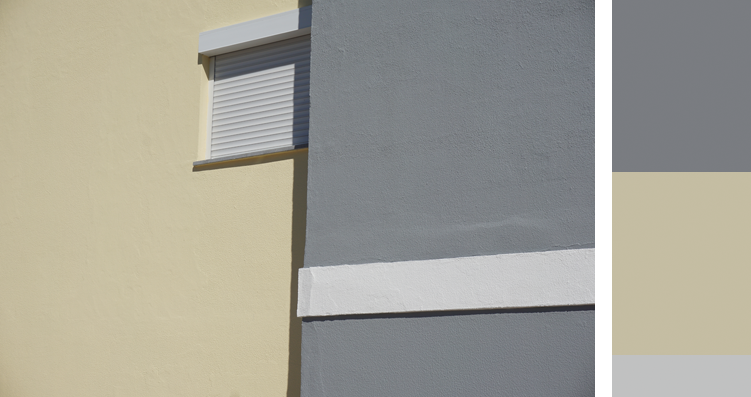
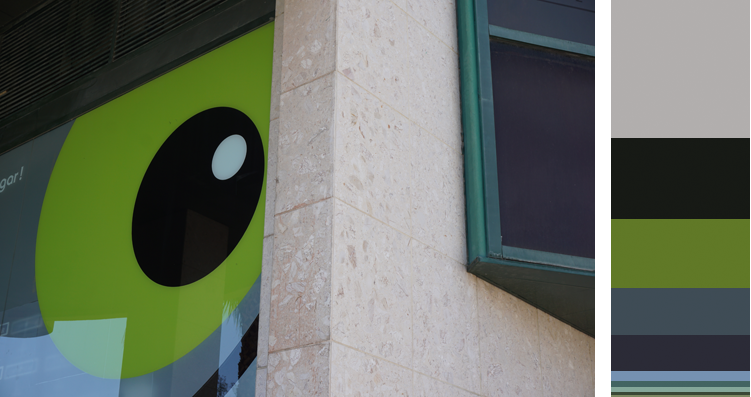
He developed a methodology based on zooming in in stages from global colours to more detailed ones. While zooming in, textures become increasingly important and detail of colour e.g. of a roof tiles, doorframes and windows start becoming part of the pallet. Finding the average of a multi coloured surface remains subjective.
Artelier 3D couleur also started designing colours for product design.(Renault)
In their holidays he and his wife continued gathering colours of the world and then published their findings. Geography of colour was born.
His work is all about ‘prise the conscience’, stimulating a growing awareness of local colours. In order to share his findings with all stakeholders of a renovation project near Paris, he prepared a poster showing the suggested colour scheme of the town. Harmony based on the original colour applied to the buildings when they were first constructed was the end goal of this commission. For a new city there can be a different point of departure e.g. the natural surroundings, but the end goal is always harmony. Cultural context can be a determining factor as well. In Algeria e.g. the scope of possibilities is much more limited than in China.
He usually starts with historical and /or environmental colours because it is tradition and culture that should be respected. If oxide of chrome or ochre is the dominant local natural colour then he uses colours in that range for the buildings of a new village as well.
When asked if he could tell the location by just looking at a synthesising chart, he answered that he could without fault. This could mean that locals can ‘see’ the landscape they live in just by looking at abstract colour representations of this landscape.
Colours of our environment do influence us even when we are mostly unaware. Additionally light conditions change the quality of colours.
Lenclos painted while he was staying near the Grand Canyon. The colours he used seemed to fit in with the local environment yet when viewed again back in France they were much more vivid.